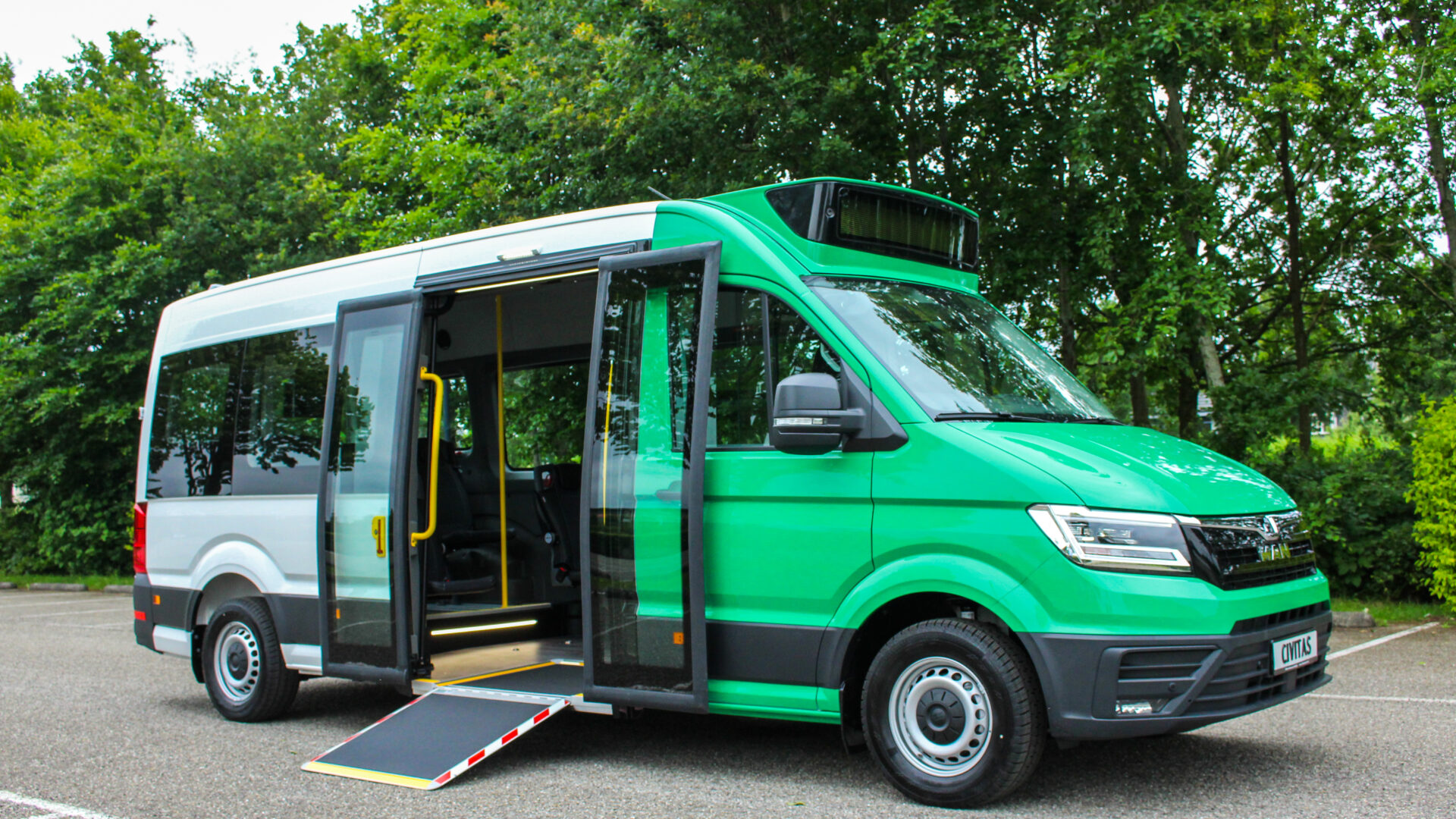
Accessible transportation is a chain of small handoffs: the sidewalk, station entrance, lift or ramp, platform, vehicle, and destination stop. Before travelling, check which entrances are step-free, whether elevators are operating, and how assistance is requested. Low-floor buses and boarding ramps can make entry easier, but the driver or attendant may still need time to secure a mobility device. Arrive early enough to explain preferences without rushing.
Keep a simple plan for disruptions. An elevator may be closed, a platform may be crowded, or a replacement bus may have different equipment. Ask staff for the safest alternative and avoid improvising on a steep curb or gap. A familiar short journey is a good place to practice. Transit becomes more usable when agencies provide clear updates, visible staff, level boarding where possible, and enough room for people to wait without blocking the route.
Start with the person, not the product
The most useful way to approach accessible public transportation: low-floor buses, train boarding ramps, and station elevators is to begin with a person’s ordinary day. What needs to happen in the morning? Where does effort build up? Which part of a route is predictable, and which part asks for a last-minute workaround? Accessibility is rarely one isolated feature. A ramp, doorway, device, seat, or route becomes useful when it fits the movements around it. Write down those movements before choosing a solution. This turns a vague wish for “better access” into a clear set of observations that can be discussed with a qualified professional.
Measure the moments that matter
Measurements are most valuable when they describe use rather than appearance. Record the clear space with doors open, the height of surfaces, the turning area needed to change direction, and the places where a person must pause. Note conditions that change throughout the year, including rain, snow, glare, crowds, furniture, fatigue, and battery range. A neat drawing is helpful, but a short video or a few photographs can reveal the sequence more honestly. Keep the original numbers and date them so future changes can be compared.
Build a route, not a feature
A single accessible feature does not guarantee an accessible experience. A ramp must connect to a stable entrance. An elevator must connect to the route that follows it. A supportive chair needs enough space to approach, turn, charge, store, and transfer. Look at the complete chain from arrival to the activity and back again. When one link is unavailable, identify a safe alternative before the first day of use. This way of thinking also makes spaces easier for visitors, families, staff, and people with temporary injuries.
Choose comfort as a safety signal
Comfort is information. A person who is consistently twisting, stretching, gripping too hard, holding their breath, or rushing may be telling you that the arrangement is not working. Small adjustments can change the experience: moving a control, adding a rest point, changing a handle, reducing glare, or making a turn wider. Do not assume that discomfort is simply part of mobility. Notice patterns, and ask the person what feels different before and after a change.
Plan for weather and change
The best solution works on more than an ideal day. Wet surfaces, low temperatures, heat, fallen leaves, power interruptions, construction, and unfamiliar staff can all change access. Leave room in plans for a slower surface, a closed lift, an extra charge, or a rest. For a building, this means maintenance and clear communication are part of design. For a journey, it means carrying the information and equipment needed for a modest backup plan. Resilience is a quiet form of accessibility.
Ask better questions
When speaking with a supplier, hotel, designer, transit operator, or contractor, replace broad questions with specific ones. Ask for measurements, load ratings, operating steps, who maintains the equipment, what happens during an outage, and whether a person can test the arrangement. Ask whether the information is current. If a product or site cannot answer clearly, treat that uncertainty as useful information rather than trying to fill the gap with optimism.
Keep independence at the centre
Support should increase choice, not create a new dependency. Involve the person who will use the space or equipment in decisions about position, timing, privacy, appearance, and maintenance. A helper may notice a hazard, but the user often knows which movement is tiring, which control is reachable, and which compromise would make the day harder. Design conversations should include those lived details. Dignity is not an extra feature; it is part of whether a solution is successful.
A practical review before you begin
Before making a change, write a short review: what is the current barrier, who is affected, what measurement describes it, what option could reduce the effort, and who should verify the result? Add the likely cost, maintenance needs, and a safe temporary alternative. For construction or clinical decisions, use the relevant local professional. For everyday planning, test the smallest reversible improvement first. A careful first step often produces better information than a large purchase made in a hurry.
This guide is general information, not a medical, legal, building, or transport assessment. Standards and conditions vary by location. Use it as a conversation starter and verify important decisions with the right qualified professional.